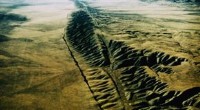
1. Gravity:
- Mass wasting: This includes landslides, rockfalls, slumps, and creep. Gravity pulls weathered material downslope, especially on steep inclines.
- Erosion by gravity: Even on gentle slopes, gravity plays a role in the slow movement of soil and rock.
2. Water:
- Running water: Rivers and streams carry sediment downstream, carving channels and transporting weathered material.
- Rainfall: Rain can detach and move weathered rock and soil. Heavy rainfall can cause flash floods, significantly eroding the landscape.
- Waves: Ocean waves erode coastlines, carrying away sand and rocks.
3. Wind:
- Deflation: Wind picks up loose material, especially in dry areas. It can create sand dunes and carry dust long distances.
- Abrasion: Wind-blown sand can act like sandpaper, eroding rocks and creating unique formations.
4. Ice:
- Glaciers: Moving ice can carve valleys, transport rocks, and deposit large amounts of sediment.
- Frost wedging: Water freezing in cracks in rocks expands, breaking them apart. This contributes to weathering and provides material for erosion.
5. Biological factors:
- Plants: Roots can break up rocks and help stabilize slopes, but can also contribute to erosion.
- Animals: Burrowing animals can move soil and expose rock to weathering.
It's important to remember that these forces often work together, and their impact varies depending on factors like climate, topography, and vegetation.