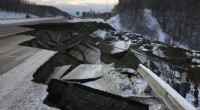
From a Human Perspective:
* Obstacles: Rocks can be obstacles in our paths, making travel or construction difficult. This is especially true for large boulders or rocky terrain.
* Erosion: Rocks can contribute to erosion, as they break down over time and are carried away by wind or water. This can damage infrastructure or lead to landslides.
* Resource Extraction: Mining for rocks (like granite or marble) can have negative environmental impacts, such as habitat destruction and pollution.
* Landslides and Rockfalls: Unstable rock formations can lead to dangerous landslides or rockfalls, especially in mountainous areas.
From an Ecological Perspective:
* Nutrient Depletion: Rocks can be slow to weather and release nutrients into the soil, making it less fertile for plants.
* Limited Biodiversity: Rocky environments can support fewer species of plants and animals compared to areas with rich soil.
It's Important to Remember:
Rocks are essential components of our planet's geology and play vital roles in many ecological processes. They provide shelter for animals, support plant life, and are used in countless ways by humans.
Perhaps a more accurate way to think about "disadvantages" is to consider the challenges they present in specific situations. For example, building a road through rocky terrain is more difficult than building one through flat land.