1. Weathering:
- Physical weathering: This is the mechanical breakdown of rocks into smaller pieces. It's like cracking a nut open! Examples include:
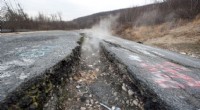
- Freezing and thawing: Water expands when it freezes, putting pressure on rocks and breaking them.
- Wind and rain: These elements can erode and wear down rocks.
- Plants and animals: Growing roots can crack rocks, and burrowing animals can loosen soil.
- Chemical weathering: This involves chemical reactions that break down rocks. Imagine a chemical reaction dissolving a sugar cube! Examples include:
- Acid rain: Acids in rainwater react with rocks, dissolving them.
- Oxidation: Exposure to oxygen can cause rocks to rust and break down.
2. Organic Matter Decomposition:
- Dead plants and animals decompose, contributing to the formation of humus, a rich, dark, and fertile material. This process releases nutrients into the soil.
3. Biological Activity:
- Microorganisms (like bacteria and fungi) play a key role in decomposition and nutrient cycling.
- Earthworms and other invertebrates mix and aerate the soil, improving its structure.
- Plant roots help bind soil together and improve water infiltration.
4. Time and Climate:
- Soil formation is a slow process that can take hundreds or thousands of years.
- Climate plays a major role, influencing weathering, organic matter decomposition, and biological activity.
In short, soil is formed from the breakdown of rocks, the decay of organic matter, and the influence of living organisms and climate over long periods. This dynamic and complex process results in the diverse and essential soil layers we see today.