* Subduction: When an oceanic plate collides with a continental plate, the denser oceanic plate is forced under the continental plate. This process is called subduction.
* Magma Formation: As the oceanic plate sinks, it melts due to the heat and pressure of the Earth's mantle. This melted rock, called magma, is less dense than the surrounding rock and rises towards the surface.
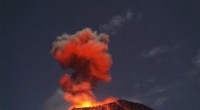
* Volcanic Eruptions: The magma eventually erupts through the surface of the continental plate, forming volcanoes. Over time, these volcanoes can grow into mountain ranges.
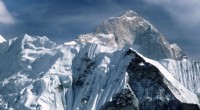
* Examples: The Andes Mountains in South America and the Cascade Range in North America are examples of volcanic mountain ranges formed by the collision of oceanic and continental plates.
Other important features of continental arcs:
* Deep ocean trenches: The point where the oceanic plate bends down and begins to subduct is marked by a deep trench in the ocean floor.
* Earthquakes: The collision of plates also causes earthquakes, which can be very powerful along these plate boundaries.
So, while the initial collision forms a mountain range, it's the process of subduction and subsequent volcanic activity that creates the specific type of mountain associated with this type of plate boundary.