1. Physical Weathering:
* Frost Wedging: Water seeps into cracks in rocks, freezes, expands, and puts pressure on the rock, eventually causing it to break apart.
* Thermal Expansion and Contraction: Extreme temperature changes cause rocks to expand and contract, leading to stress and cracking. This is more common in deserts where daily temperatures fluctuate greatly.
* Abrasion: Rocks are ground down by friction from wind-blown sand, water currents, or even ice movement in glaciers.
* Exfoliation: Large sheets of rock break away from the parent rock due to pressure release, often occurring when overlying rocks are removed by erosion.
2. Chemical Weathering:
* Dissolution: Certain minerals in rocks, like limestone, are dissolved by acidic rainwater or acidic groundwater.
* Oxidation: Iron in rocks reacts with oxygen, forming iron oxide (rust), which weakens the rock and causes it to break down.
* Hydrolysis: Water reacts with minerals in rocks, forming new, weaker minerals.
* Biological Weathering: Plants, animals, and microorganisms can break down rocks through root growth, burrowing, or the release of acids.
How Weathering Breaks Mountains:
* Erosion: Weathering weakens rocks, making them more susceptible to erosion by wind, water, and ice. This process carries away the broken-down rock fragments, gradually wearing down mountains.
* Gravity: Gravity plays a role in erosion as weathered rock fragments move downslope, contributing to the overall breakdown of mountains.
Examples:
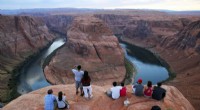
* Grand Canyon: The Colorado River has eroded through layers of rock, creating the dramatic canyon through a combination of physical and chemical weathering.
* Bryce Canyon National Park: The hoodoos, spire-like rock formations, are formed by frost wedging and erosion.
* Mount Rushmore: The granite face of the mountain was sculpted by blasting and carving, but weathering will eventually erode the monument.
In summary:
Weathering is a complex process that gradually breaks down rocks and mountains over long periods. The combination of physical and chemical weathering, along with erosion, shapes the Earth's landscape, creating the canyons, valleys, and other features we see today.