Here are some key examples of geological processes:
* Plate tectonics: This is the driving force behind many geological processes. It involves the movement of large sections of the Earth's crust called tectonic plates.
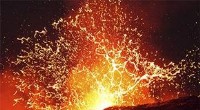
* Volcanism: When plates collide or pull apart, magma (molten rock) can rise to the surface, forming volcanoes and creating new land.
* Earthquakes: Earthquakes occur when plates move past each other or collide, causing vibrations in the Earth's crust.
* Mountain building: When tectonic plates collide, the pressure can cause mountains to rise up.
* Seafloor spreading: Where plates pull apart, new crust is formed at mid-ocean ridges.
* Erosion: This process wears down existing landforms, carrying away sediment that can then be deposited elsewhere, forming new features like deltas, beaches, and sand dunes.
* Weathering: The breakdown of rocks, soil, and minerals through contact with the Earth's atmosphere, water, and biological organisms. Weathering can break down existing features and create new landforms like caves and canyons.
These are just a few examples, and there are many other geological processes that play a role in shaping the Earth's crust.