1. Geological Formations:
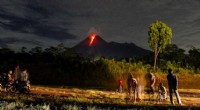
* Igneous Rocks: Many ores, like copper, iron, and gold, are associated with igneous rocks, formed from cooled magma or lava. These ores often form in hydrothermal veins within the cooling rock or in deposits around volcanic vents.
* Sedimentary Rocks: Some ores, like iron, manganese, and bauxite (aluminum ore), form in sedimentary environments where minerals are concentrated by weathering and erosion processes.
* Metamorphic Rocks: Metamorphism, the transformation of existing rocks under high pressure and temperature, can concentrate or create new ore minerals. This is common for ores like copper, zinc, and lead.
2. Tectonic Activity:
* Plate Boundaries: Many ore deposits are found near plate boundaries where tectonic activity leads to the formation of new rocks, magmatism, and hydrothermal fluids.
* Fault Zones: Faulting can create pathways for hydrothermal fluids, concentrating minerals in veins and deposits.
3. Climate and Weathering:
* Weathering and Erosion: Weathering and erosion can concentrate minerals, particularly in sedimentary environments.
* Climate: Climate plays a role in the formation of certain ore deposits, such as bauxite, which forms in tropical climates with high rainfall.
4. Other Factors:
* Hydrothermal Activity: Hot springs and geothermal activity can deposit valuable minerals.
* Biogeochemical Processes: Some minerals are concentrated by biological activity, such as the formation of iron ore deposits by bacteria.
Therefore, it is impossible to say definitively where all mineral ores are found. Instead, it's important to consider the specific ore, geological context, and other factors mentioned above.
Examples of where different ores are found:
* Iron Ore: Found in sedimentary rocks (banded iron formations) and igneous rocks (magnetite deposits).
* Copper Ore: Found in igneous rocks, hydrothermal veins, and sedimentary deposits.
* Gold Ore: Found in igneous rocks, hydrothermal veins, and alluvial deposits (placer gold).
* Bauxite (Aluminum Ore): Found in tropical and subtropical regions, often in weathered sedimentary rocks.
* Diamond: Found in kimberlite pipes, a type of igneous rock.
To learn more about specific ores and their locations, it's helpful to research geological maps, mining reports, and academic publications on the subject.