Catastrophic Events:
* Volcanic Eruptions: Large-scale eruptions like supervolcanoes can drastically alter the landscape, release massive amounts of ash and gases into the atmosphere, and even cause climate change.
* Earthquakes: Powerful earthquakes can cause widespread devastation, create tsunamis, shift tectonic plates, and alter the shape of the Earth's surface.
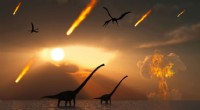
* Meteorite Impacts: Giant impacts can trigger mass extinctions, create craters, and cause significant climate disruptions.
* Tsunamis: Giant waves caused by earthquakes, volcanic eruptions, or landslides can inundate coastal areas and cause immense damage.
* Landslides: Large-scale mass movements can reshape mountains, block rivers, and trigger other geological events.
Gradual Events:
* Continental Drift: The slow movement of tectonic plates over millions of years shapes continents, creates mountain ranges, and causes volcanic activity.
* Mountain Building: The collision of tectonic plates leads to the formation of mountain ranges, altering the Earth's topography and influencing climate patterns.
* Erosion: The weathering and transportation of rocks and soil by wind, water, and ice shape the Earth's surface over long periods.
* Glaciation: The advance and retreat of glaciers can carve valleys, create lakes, and deposit massive amounts of sediment.
* Climate Change: Long-term shifts in climate patterns can influence sea levels, weather patterns, and the distribution of life on Earth.
Key characteristics of a major geologic event:
* Significant impact: It causes noticeable and lasting changes to the Earth's surface, composition, or processes.
* Large scale: It affects a substantial area or volume of the Earth.
* Long-term effects: It leaves a lasting geological record and influences future geological processes.
* Potential for disruption: It can cause significant disruptions to ecosystems, human populations, and the Earth's climate.
It's important to note that the significance of a geologic event is relative. A small earthquake might be a major event for a local community, while a giant asteroid impact is a global catastrophe. However, all major geologic events contribute to the ongoing evolution and dynamic nature of our planet.