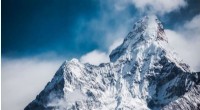
1. Weathering and Erosion: Metamorphic rock, exposed at the Earth's surface, is broken down by weathering (chemical and physical processes) and erosion (the movement of weathered material). Think of rain, wind, ice, or even plant roots gradually breaking down the rock.
2. Transportation: The weathered fragments, now called sediment, are transported by wind, water, or ice. This process can carry the sediment long distances, smoothing and rounding the particles.
3. Deposition: Eventually, the sediment is deposited in a new location, often in layers (strata) at the bottom of a lake, ocean, or other basin.
4. Compaction and Cementation: As more sediment accumulates, the weight of the overlying layers presses down on the lower layers. This compresses the sediment, squeezing out water and air. Dissolved minerals in the water then act as a "glue" (cement) binding the sediment grains together.
5. Lithification: This entire process of compaction and cementation is called lithification. It transforms loose sediment into a solid sedimentary rock.
Example: Imagine a metamorphic rock like marble, which is formed from limestone. Over time, it can be eroded into small pieces, transported by a river, and deposited at the bottom of a lake. The sediment layers then compact and cement together, forming a new sedimentary rock like sandstone.
Key Point: The transformation from metamorphic to sedimentary rock is a cycle that can happen repeatedly, driven by the Earth's dynamic processes.