1. Plate Tectonics:
* Continental-Continental Collision: The Himalayas, the world's highest mountain range, were formed when the Indian subcontinent collided with the Eurasian Plate. This collision, still ongoing, continues to push the land upwards, creating the towering peaks.
* Subduction Zones: The Andes Mountains, running along the western edge of South America, formed at a subduction zone where the denser oceanic Nazca Plate dives beneath the continental South American Plate. This process creates volcanic activity and uplift, resulting in the towering peaks of the Andes.
2. Erosion:
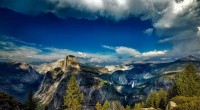
* Glaciers: Glaciers play a crucial role in sculpting mountains. As they move across the landscape, they carve out valleys, valleys, and peaks. The Himalayas and the Alps, both renowned for their towering peaks, owe much of their shape to glacial erosion.
* Rivers: Rivers also contribute to erosion by carving out canyons and valleys. The Grand Canyon in the United States, for instance, was formed by the Colorado River over millions of years.
* Wind: Wind can also contribute to erosion by weathering rocks and transporting sediment.
3. Volcanic Activity:
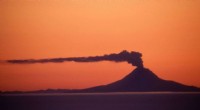
* Volcanoes: Some of the world's highest mountains are volcanic in origin. Mount Kilimanjaro in Africa, for example, is an extinct volcano that rises to an impressive height.
* Volcanic Activity: Volcanic eruptions can also contribute to mountain formation by building up layers of lava and ash.
It's important to note:
* The formation of mountains is a continuous process. Mountains are constantly being uplifted and eroded, meaning their shape and height are constantly changing.
* The highest mountains are relatively young in geological terms. Many of them formed during the past few million years.
* Different combinations of these factors can lead to the formation of diverse mountain ranges with different characteristics.
In summary, the highest mountains on Earth are the result of a complex interplay of tectonic forces, erosion, and volcanic activity. These forces continue to shape the Earth's landscape, creating some of the most awe-inspiring natural wonders.