1. Plate Tectonics and Collisions:
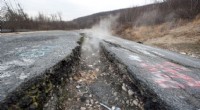
* Tectonic plates are massive pieces of Earth's crust that constantly move.
* Collisions occur when these plates push against each other.
* These collisions can create mountains, volcanoes, and earthquakes.
2. Deposition and Surface Change:
* Deposition is the process where sediments, soil, rocks, and other materials are added to a landform.
* Collisions can create ideal conditions for deposition:
* Uplift: The collision pushes up the land, creating higher elevations.
* Erosion: As mountains rise, erosion (weathering and transportation of materials) occurs, providing sediment for deposition.
* Foreland Basins: These depressions form in front of mountain ranges, often filled with sediment eroded from the mountains.
3. How Deposition Changes the Surface:
* Building Landforms: Deposition can create new landforms, like:
* Alluvial fans: Fan-shaped deposits at the base of mountains.
* Delta: Triangular-shaped deposits at the mouth of a river.
* Plains: Flat areas formed by deposition of sediment over time.
* Changing Topography: Deposition can alter the shape of the landscape, filling valleys, smoothing out hills, and creating new land areas.
* Impact on Ecosystems: Deposition can influence where plants and animals live, affecting the types of ecosystems that develop.
Example:
The Himalayas, the world's tallest mountains, were formed by the collision of the Indian and Eurasian tectonic plates. As the plates collided, massive amounts of sediment were eroded from the mountains and deposited in the surrounding areas, creating vast plains and alluvial fans.
In Summary:
Deposition is a significant process that shapes the Earth's surface, and plate collisions create the perfect conditions for deposition to occur, resulting in dramatic landscape changes and the creation of new landforms.