Coastal geology is a fascinating branch of geology that focuses on the dynamic interactions between the land and the sea. It's about understanding the processes that shape coastlines, the landforms they produce, and the resources they hold.
Here's a deeper look at key aspects:
Processes:
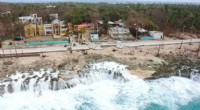
* Erosion: Waves, tides, currents, and storms constantly carve away at the coastline, shaping cliffs, beaches, and inlets.
* Deposition: The same forces that erode also deposit sediments, building up beaches, sandbars, and deltas.
* Tectonics: Earthquakes and volcanic activity can significantly alter coastlines, causing sudden land elevation changes or creating new islands.
* Sea Level Changes: Fluctuations in sea level over time, caused by climate change or glacial cycles, dramatically impact coastal environments.
Landforms:
* Beaches: Sandy stretches of coastline, shaped by waves and tides.
* Cliffs: Steep slopes formed by erosion, often featuring dramatic rock formations.
* Deltas: Triangular areas of land created by sediment deposits at river mouths.
* Estuaries: Coastal inlets where freshwater mixes with saltwater, forming unique ecosystems.
* Barrier Islands: Long, narrow islands that run parallel to the coastline, providing protection from storms.
Resources:
* Sand and gravel: Essential for construction and other industries.
* Oil and gas: Deposits often found offshore, a major source of energy.
* Fisheries: Rich ecosystems support a wide variety of fish and shellfish.
* Tourism: Beautiful beaches and coastal landscapes attract visitors worldwide.
Importance:
Understanding coastal geology is crucial for several reasons:
* Coastal Management: Planning for development, protecting against erosion, and managing resources require an understanding of coastal dynamics.
* Climate Change: Rising sea levels and more frequent storms threaten coastal communities, necessitating adaptation strategies.
* Environmental Protection: Protecting delicate coastal ecosystems and their biodiversity is essential for maintaining ecological balance.
* Resource Extraction: Sustainable management of coastal resources ensures their availability for future generations.
Tools and Techniques:
Coastal geologists use a variety of tools and techniques to study the coastline:
* Fieldwork: Direct observation and sampling of coastal features.
* Remote Sensing: Satellite imagery and aerial photography to study large-scale changes.
* Geological Mapping: Creating detailed maps of coastal geology.
* Computer Modeling: Simulating coastal processes to predict future changes.
Coastal geology is a dynamic and ever-evolving field, essential for understanding the complex interactions between the land and the sea and for making informed decisions about managing our coastal resources.