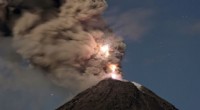
1. Igneous Rocks: These rocks form from the cooling and solidification of magma (molten rock) or lava.
* Intrusive Igneous Rocks: These rocks form when magma cools and solidifies beneath the Earth's surface. They often have large crystals due to the slow cooling process. Examples include granite, gabbro, and diorite.
* Extrusive Igneous Rocks: These rocks form when lava cools and solidifies on the Earth's surface. They typically have smaller crystals due to the faster cooling process. Examples include basalt, rhyolite, and andesite.
2. Metamorphic Rocks: These rocks form when existing rocks (igneous, sedimentary, or even other metamorphic rocks) are transformed by heat, pressure, or chemically active fluids.
* Foliated Metamorphic Rocks: These rocks have a layered or banded appearance due to the alignment of minerals during the metamorphic process. Examples include slate, schist, and gneiss.
* Non-foliated Metamorphic Rocks: These rocks do not have a layered appearance. Examples include marble (formed from limestone), quartzite (formed from sandstone), and anthracite (formed from coal).
Sedimentary Rocks: While they play a significant role in the Earth's crust, they are not as abundant as igneous and metamorphic rocks. They form from the accumulation and cementation of sediments, such as sand, mud, and organic matter.
In summary: The Earth's crust is predominantly composed of igneous and metamorphic rocks, with sedimentary rocks playing a supporting role. The specific proportions of each type of rock vary depending on location and geological history.