1. Earth's Structure:
* Lithosphere: The rigid outer layer of the Earth, composed of the crust and the uppermost part of the mantle. It's broken into large, moving pieces called tectonic plates.
* Asthenosphere: A semi-molten, ductile layer of the upper mantle beneath the lithosphere. It's hot enough to allow for slow, viscous flow.
2. Plate Movement:
* Convection Currents: Heat from the Earth's core creates convection currents within the asthenosphere. These currents drag the overlying tectonic plates.
* Plate Boundaries: The edges of tectonic plates, where they interact with each other.
* Divergent Boundaries: Plates move apart, creating new crust (e.g., mid-ocean ridges).
* Convergent Boundaries: Plates collide, resulting in subduction, mountain formation, or volcanic activity.
* Transform Boundaries: Plates slide past each other horizontally, causing earthquakes (e.g., San Andreas Fault).
3. Geological Phenomena Explained by Plate Tectonics:
* Earthquakes: Result from the sudden release of energy along plate boundaries.
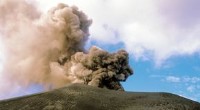
* Volcanoes: Formed at divergent boundaries (mid-ocean ridges) or subduction zones where magma rises to the surface.
* Mountain Ranges: Created by the collision of continental plates (e.g., Himalayas) or volcanic activity (e.g., Andes).
* Ocean Floor Features: Mid-ocean ridges, trenches, and seafloor spreading are explained by plate movement.
* Fossil Distribution: Explains the presence of similar fossils on different continents that are now separated by oceans.
* Continental Drift: The gradual movement of continents over millions of years, supported by fossil evidence and matching coastlines.
4. Key Principles:
* The Earth's lithosphere is composed of multiple tectonic plates that move on the asthenosphere.
* Plate movement is driven by convection currents in the mantle.
* Plate interactions at boundaries result in various geological phenomena, including earthquakes, volcanoes, and mountain formation.
* The theory of plate tectonics explains the evolution of the Earth's surface and the distribution of geological features.
Understanding these concepts is crucial to appreciating the dynamic nature of our planet and the forces that shape its landscapes.