1. Active Plate Boundaries: Young fold mountains are typically formed at convergent plate boundaries, where tectonic plates collide. This collision causes immense pressure and stress, leading to the folding and uplift of the Earth's crust.
2. Crustal Instability: The process of mountain formation is continuous, with ongoing plate movement. This means the crust beneath and around young mountains remains unstable and prone to sudden adjustments and movements.
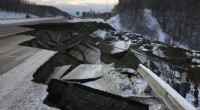
3. Faulting and Earthquakes: As the plates collide and buckle, they create numerous faults, which are breaks in the Earth's crust. These faults act as zones of weakness where stress can build up and release suddenly, causing earthquakes.
4. Magma Intrusions and Volcanic Activity: The collision of plates can also force magma, molten rock from deep within the Earth, upwards. This magma can intrude into the crust, creating volcanoes that erupt and release lava, ash, and gases.
5. Subduction Zones: In many cases, one plate is forced beneath the other in a process called subduction. The sinking plate melts as it descends, generating magma that rises to the surface, often creating volcanic arcs along the edge of the mountain range.
Examples:
* The Himalayas, the world's youngest and tallest mountain range, are a prime example of a young fold mountain system experiencing frequent earthquakes and volcanic activity.
* The Andes Mountains in South America, formed by the subduction of the Nazca Plate beneath the South American Plate, are also known for their volcanic activity.
Conclusion:
The geological processes that formed young fold mountains continue to shape them, making them highly susceptible to earthquakes and volcanic activity. The instability of the Earth's crust, the presence of faults, and the potential for magma intrusions all contribute to the dynamic and often hazardous nature of these mountain ranges.