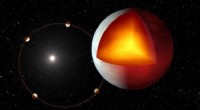
1. Earth's Layers: The Earth's surface isn't solid and smooth. It's made up of giant, moving pieces called tectonic plates. Imagine a giant puzzle covering the Earth, but the pieces are always shifting and bumping into each other.
2. Plate Boundaries: These plates meet at different boundaries, where they interact in various ways:
* Convergent Boundaries: Plates collide, causing one plate to slide under the other (subduction), or they buckle and push up (forming mountains).
* Divergent Boundaries: Plates move apart, allowing magma from the Earth's mantle to rise and create new crust.
* Transform Boundaries: Plates slide past each other horizontally, creating friction.
3. Friction and Stress: The movement of these plates isn't smooth. Friction builds up along the edges of the plates as they try to move past each other. This friction causes stress to build up within the rocks.
4. The "Snap": When the stress becomes too great, the rocks rupture (break) and release the stored energy in a sudden, violent burst – an earthquake.
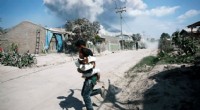
5. Seismic Waves: The energy released during an earthquake travels in waves called seismic waves. These waves shake the ground and cause the damage we associate with earthquakes.
Here's a simple analogy: Imagine you're holding a ruler, and you bend it until it breaks. The force you applied is like the stress building up in the Earth's crust. When the ruler snaps, it releases energy, just like an earthquake.
Important Note: Earthquakes can happen in areas away from plate boundaries too. This is because the stress can sometimes be transferred long distances through the Earth's crust.