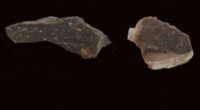
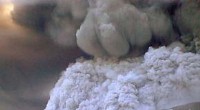
* Extrusive igneous rocks are formed when magma erupts onto the Earth's surface as lava and cools quickly. This happens in places like:
* Volcanoes: The classic example. Lava flows and volcanic ash solidify into extrusive rocks.
* Fissure eruptions: Where lava erupts from cracks in the Earth's crust, forming extensive lava plains.
* Intrusive igneous rocks are formed when magma cools and solidifies beneath the Earth's surface. This happens in:
* Batholiths: Massive underground bodies of igneous rock.
* Dikes: Sheet-like intrusions that cut across existing rock layers.
* Sills: Sheet-like intrusions that are parallel to existing rock layers.
* Plutons: Any intrusive igneous body.
Essentially, the difference is all about cooling speed:
* Fast cooling (extrusive): Results in smaller crystals, giving the rock a fine-grained texture.
* Slow cooling (intrusive): Allows for larger crystals to form, resulting in a coarse-grained texture.