1. Time and Changing Environments:
* Different Ages: Each layer represents a distinct period of time. Older layers are found beneath younger layers, showcasing the timeline of Earth's history.
* Environmental Shifts: Environments change over time. For example, a layer of sandstone might indicate a desert environment, while a layer of limestone might suggest a shallow sea.
2. Rock Formation Processes:
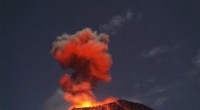
* Igneous Rocks: Formed from cooling magma or lava. Volcanic eruptions or intrusions create unique rock types.
* Sedimentary Rocks: Formed from the accumulation and cementation of sediments (sand, mud, shells, etc.). Different environments produce different sediment types.
* Metamorphic Rocks: Formed when existing rocks (igneous or sedimentary) are transformed by heat, pressure, or chemical reactions. These processes can change the composition and structure of rocks.
3. Tectonic Plate Movement:
* Continental Drift: The movement of tectonic plates can cause rock layers to be shifted, folded, or even uplifted.
* Subduction Zones: When plates collide, one plate can slide beneath another, leading to the formation of metamorphic rocks and volcanic activity.
4. Erosion and Weathering:
* Erosion: The process of wearing away and transporting rock by wind, water, or ice.
* Weathering: The breakdown of rocks by physical or chemical processes. These factors can create gaps in the rock record or alter the appearance of existing layers.
5. Human Impact:
* Mining and Construction: These activities can disrupt rock layers, exposing deeper layers or creating new formations.
In summary: Earth's rock layers are diverse due to the interplay of geological processes, environmental changes, and time. They provide a fascinating record of our planet's history and continue to be shaped by ongoing natural forces.