* Convergent Boundaries: These are areas where tectonic plates collide. The denser plate (usually oceanic) subducts (sinks) beneath the less dense plate (usually continental).
* Subduction Zones: The area where one plate dives under the other is called a subduction zone. These zones are characterized by:
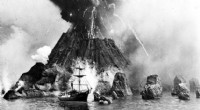
* Volcanoes: As the subducting plate melts, magma rises to the surface, creating volcanoes.
* Earthquakes: The collision and friction between plates generate earthquakes, often along the subduction zone.
* Trench: The ocean floor bends downwards as the plate subducts, creating a deep trench.
Examples of Convergent Boundaries:
* The Andes Mountains in South America: The Nazca Plate (oceanic) subducts beneath the South American Plate (continental).
* The Cascade Range in the US: The Juan de Fuca Plate (oceanic) subducts beneath the North American Plate (continental).
* The Japan Islands: The Pacific Plate (oceanic) subducts beneath the Eurasian Plate (continental).
Important Note: While the classic example is an oceanic plate subducting under a continental plate, there are also cases where two oceanic plates collide, resulting in the formation of island arcs like the Mariana Islands.