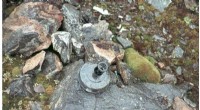
1. Fossil Distribution: Identical fossils of ancient species have been found on continents now separated by vast oceans. This suggests that these continents were once joined together, and the species were able to move freely across them. For example, fossils of the reptile *Mesosaurus* have been found in both South America and Africa, which supports the idea that these continents were once connected.
2. Continental Fit: The outlines of continents, particularly the coastlines of South America and Africa, fit together like puzzle pieces. This observation was noted long before the theory of Plate Tectonics, but it helped to fuel the idea of a supercontinent called Pangaea.
3. Seafloor Spreading: This is perhaps the most compelling evidence for Plate Tectonics. The discovery of mid-ocean ridges, where new ocean floor is created, and magnetic striping patterns on the ocean floor, which record the Earth's magnetic field reversals, provide strong evidence for the movement of tectonic plates.
Other evidence that supports Plate Tectonics includes:
* Volcanic Activity: Volcanoes tend to occur along plate boundaries, where plates are colliding or pulling apart.
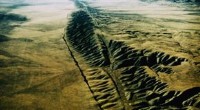
* Earthquake Distribution: Earthquakes are concentrated along plate boundaries, indicating the release of built-up stress as plates move past each other.
* Hotspots: These are areas of volcanic activity that are not associated with plate boundaries, but are thought to be caused by plumes of hot mantle material rising up from deep within the Earth.
These lines of evidence, taken together, provide a compelling case for the theory of Plate Tectonics, which revolutionized our understanding of the Earth's surface and its geological processes.