* Plate Tectonics: The Earth's continents are constantly moving, and over millions of years, they've broken apart and collided. This means rocks and minerals that were once connected can now be found on separate continents.
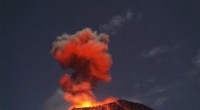
* Geological Processes: The formation and transformation of rocks and minerals is influenced by a complex interplay of factors like volcanic activity, erosion, and weathering. These processes can lead to variations in the composition and structure of rocks, even within the same geological formation.
However, we can say that continents that were once connected (like North America and Europe) share some geological similarities, making it more likely to find similar rocks and minerals.
Instead of looking for exact matches, it's more interesting to consider geological connections and shared rock types:
* North America and Europe: The Appalachian Mountains in North America have geological connections to the Caledonian Mountains in Europe. They share similar rock formations and mineral deposits.
* South America and Africa: These continents were once joined in the supercontinent Gondwana. They share distinctive rock types and mineral deposits that are not found in other parts of the world.
Ultimately, finding matching rocks and minerals is a complex task. It's more accurate to discuss geological similarities and connections between continents rather than exact matches.