Weathering: The Breakdown
Weathering is the process of breaking down rocks, soils, and minerals through direct contact with the Earth's atmosphere, biota, and hydrosphere. It occurs in place, meaning the rock doesn't move.
Here are the main types of weathering:
* Physical Weathering: This involves the mechanical breakdown of rocks into smaller pieces. Examples include:
* Frost Wedging: Water seeps into cracks, freezes (expands), and breaks the rock.
* Thermal Expansion and Contraction: Temperature changes cause rock to expand and contract, weakening it over time.
* Abrasion: Rocks rub against each other, grinding them down. This is common in windstorms, glaciers, and rivers.
* Root Wedging: Tree roots grow into cracks and exert pressure, breaking the rock.
* Chemical Weathering: This involves the alteration of the rock's chemical composition. Examples include:
* Oxidation: Oxygen reacts with minerals in the rock, creating rust (iron oxides).
* Carbonation: Carbon dioxide in the atmosphere dissolves in rainwater, forming a weak acid that reacts with minerals like limestone, breaking it down.
* Hydrolysis: Water molecules react with minerals in the rock, breaking them down.
* Biological Weathering: Living organisms like lichens and bacteria secrete acids that break down rocks.
Erosion: The Movement
Erosion is the process of moving weathered rock and soil from one location to another. Unlike weathering, which breaks down rocks, erosion transports them. This can happen through:
* Wind: Wind carries away loose sediment, especially in deserts and coastal areas.
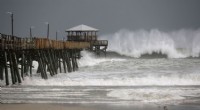
* Water: Rivers, streams, and ocean waves carve out channels, transport sediment, and deposit it elsewhere.
* Ice: Glaciers pick up and transport rocks, leaving behind glacial deposits when they melt.
* Gravity: Landslides, mudflows, and rockfalls are examples of gravity-driven erosion.
The Relationship Between Weathering and Erosion
Weathering and erosion work together to sculpt the Earth's surface:
* Weathering prepares the rock for erosion: By breaking down rocks into smaller pieces, weathering makes them easier to transport.
* Erosion removes weathered material: This exposes fresh rock to weathering, continuing the cycle.
Examples of Weathering and Erosion at Work
* Canyons: Rivers carve out canyons through erosion, while weathering weakens the rock.
* Sand Dunes: Wind erosion transports sand grains, creating dunes.
* Coastal Cliffs: Wave erosion erodes the cliffs, while weathering weakens the rock.
* Rock Formations: Unique rock formations are often the result of different types of weathering and erosion over time.
The Impact of Weathering and Erosion
These processes have a significant impact on:
* Landforms: They create mountains, valleys, canyons, and other landforms.
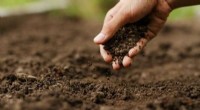
* Soil Formation: Weathering breaks down rocks into soil, which provides nutrients for plants.
* Climate Change: Erosion can contribute to changes in the Earth's climate by altering the reflectivity of the surface.
* Human Infrastructure: Weathering and erosion can damage roads, buildings, and other structures.
Understanding weathering and erosion is crucial for understanding how the Earth's surface evolves and for planning sustainable development practices.