1. Earthquakes: When plates slide past each other, collide, or pull apart, the built-up pressure is released suddenly, causing vibrations that we feel as earthquakes.
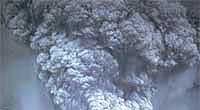
2. Volcanoes: Where plates converge and one slides under the other (subduction), molten rock (magma) rises to the surface, creating volcanoes.
3. Mountain Ranges: When plates collide, the landmasses buckle and fold, leading to the formation of mountain ranges like the Himalayas.
4. Rift Valleys: When plates pull apart, the crust thins and fractures, forming rift valleys like the East African Rift Valley.
5. Seafloor Spreading: At mid-ocean ridges, where plates diverge, magma rises from the mantle and cools, forming new oceanic crust. This process, known as seafloor spreading, pushes older oceanic crust away from the ridge.
6. Continental Drift: The gradual movement of continents across the Earth's surface over millions of years. This is driven by the underlying movement of tectonic plates.
7. Ocean Trenches: Deep, narrow depressions in the ocean floor formed where one plate subducts beneath another.
8. Island Arcs: Chains of volcanic islands formed above subduction zones, like the Aleutian Islands in Alaska.
9. Fault Lines: Fractures in the Earth's crust where movement has occurred.
10. Hotspots: Areas of volcanic activity caused by plumes of hot mantle material rising to the surface, like the Hawaiian Islands.
In summary, the movement of tectonic plates is a dynamic process that shapes the Earth's surface and creates the features we see today.