1. Igneous Rocks: The Birthplace of Rocks
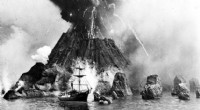
* Magma and Lava: The Earth's interior is incredibly hot, containing molten rock called magma. When magma erupts onto the Earth's surface, it becomes lava.
* Cooling and Crystallization: As magma or lava cools, it solidifies and crystallizes, forming igneous rocks. These rocks are the foundation for all other rock types.
* Examples: Granite (formed from cooled magma), basalt (formed from cooled lava), obsidian (formed from rapidly cooled lava).
2. Sedimentary Rocks: The Storytellers of the Past
* Weathering and Erosion: Igneous rocks, along with existing sedimentary rocks, are broken down by wind, rain, and ice, forming smaller pieces called sediments.
* Transportation and Deposition: These sediments are carried by water, wind, or ice and deposited in layers.
* Compaction and Cementation: Over time, the weight of overlying layers compresses and cements the sediments together, forming sedimentary rocks.
* Examples: Sandstone (formed from cemented sand grains), limestone (formed from the accumulation of marine organisms' shells), shale (formed from compacted clay).
3. Metamorphic Rocks: The Transformed Rocks
* Heat and Pressure: Existing igneous or sedimentary rocks can be transformed under intense heat and pressure deep within the Earth's crust.
* Recrystallization: The heat and pressure cause the minerals within the rocks to rearrange and recrystallize, forming new minerals and textures.
* Examples: Marble (formed from metamorphosed limestone), slate (formed from metamorphosed shale), gneiss (formed from metamorphosed granite).
The Rock Cycle:
* Continuous Transformation: The three rock types are constantly being transformed into each other through a process called the rock cycle.
* Interconnectedness: This cycle highlights the interconnectedness of Earth's processes and how rocks are constantly being created, broken down, and reformed.
In summary, rocks originate from molten rock deep within the Earth, undergo various processes of weathering, erosion, deposition, compaction, and transformation, resulting in the diverse rock types we see today. They hold clues to Earth's history and are essential to life on our planet.