1. Wind:
* Abrasion: Wind carries sand and dust particles, which grind and wear away surfaces.
* Deflation: Wind picks up loose particles, leaving behind depressions or hollows.
2. Water:
* Rain: Heavy rain can dislodge soil and transport it downslope.
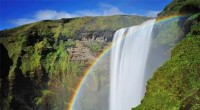
* Rivers and streams: Flowing water erodes channels and carries sediment downstream.
* Waves: Ocean waves erode coastlines, carving cliffs and beaches.
3. Ice:
* Glaciers: Massive ice sheets scour landscapes, carving valleys and transporting rocks and debris.
* Frost wedging: Water seeps into cracks in rocks, freezes, expands, and widens the cracks, eventually breaking the rock.
4. Gravity:
* Mass wasting: Downslope movement of rock, soil, and debris due to gravity (e.g., landslides, slumps, creep).
Here's a simplified breakdown:
* Erosion removes material: Think of a sculptor slowly chipping away at a block of stone.
* Erosion transports material: The removed material is carried away by the erosive force, often to a different location.
* Erosion changes landscapes: Over time, erosion can shape mountains, valleys, canyons, and coastlines.
Some key factors influencing erosion:
* Climate: Rain, wind, and temperature all play a role.
* Geology: Rock type, soil composition, and topography influence erodibility.
* Human activities: Deforestation, agriculture, and construction can accelerate erosion.
Erosion is a natural process, but it can be exacerbated by human activities. Understanding erosion is important for managing landscapes, protecting infrastructure, and conserving natural resources.