1. Natural Coastal Processes:
* Sea Level Rise: As global temperatures rise, sea levels are increasing, leading to higher tides and more powerful wave action.
* Wave Action: The North Sea's waves are powerful, particularly during storms, eroding the cliffs and beaches.
* Tides: The regular rise and fall of tides constantly weaken the cliffs and transport sediment away.
* Coastal Morphology: The unique geology of the area, consisting of soft, easily eroded cliffs made of glacial till, makes Happisburgh especially vulnerable.
2. Human Activities:
* Coastal Defenses: While some efforts have been made to protect the village, such as groynes (structures designed to trap sediment), they often result in the erosion of nearby areas.
* Beach Nourishment: While this involves adding sand to beaches, it can be costly and only provides a temporary solution.
* Climate Change: The impact of human activity on climate change is exacerbating the natural processes mentioned above, making the situation even worse.
3. Consequences of Erosion:
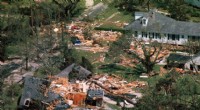
* Loss of Land: Erosion is leading to the loss of land, including homes, businesses, and historical sites.
* Coastal Retreat: As the coastline erodes, the village is gradually moving inland, requiring relocation of infrastructure and communities.
* Coastal Flooding: Erosion weakens the natural defenses against storms and floods, increasing the risk of damage and disruption.
Overall:
Happisburgh faces a serious challenge due to the combined impact of natural processes and human activities. While efforts are being made to mitigate the effects of erosion, it remains a significant threat to the village's future.