Coral Formation:
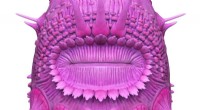
1. Coral Polyps: Corals are tiny marine animals called polyps that live in colonies. They secrete a hard, calcium carbonate exoskeleton around their bodies for protection.
2. Calcium Carbonate Deposition: As polyps grow and reproduce, their exoskeletons fuse together to form a larger coral structure. This process is called biomineralization.
3. Reef Building: Over time, these coral structures can grow into massive reefs. The reef formation is influenced by factors like sunlight, water temperature, and nutrient availability.
4. Coral Bleaching: Coral can bleach due to stress from rising ocean temperatures, pollution, or other factors. This can lead to the death of coral colonies and impact the reef ecosystem.
Limestone Formation:
1. Organic Origin: Most limestone is formed from the accumulation of marine organisms like coral, algae, and shell fragments.
2. Inorganic Origin: Some limestone can also form through inorganic processes, like chemical precipitation of calcium carbonate in water.
3. Sedimentation: The calcium carbonate fragments accumulate on the seafloor, forming sediment layers.
4. Lithification: Over millions of years, these sediments are compacted by pressure and cemented together by dissolved minerals, transforming them into solid rock known as limestone.
Key Differences:
* Coral: Forms directly from the skeletons of living coral polyps. It is a biological process.
* Limestone: Can form from both biological (marine organisms) and inorganic processes. It is a geological process.
Connection:
Coral reefs are an important source of calcium carbonate that contributes to the formation of limestone. Over time, as reefs die and are buried, they become a significant part of limestone deposits.