* Landforms: These are the visible, distinct features of the Earth's surface. Examples include mountains, valleys, hills, plains, plateaus, and canyons.
Here are some of the processes that shape the Earth's surface and create these topographic features:
* Tectonic Activity: The movement of the Earth's tectonic plates creates mountains, volcanoes, trenches, and earthquakes.
* Erosion: This is the process of wearing away the Earth's surface by forces like wind, water, and ice. Erosion carves out canyons, valleys, and other features.
* Weathering: This involves the breakdown of rocks, soil, and minerals through physical and chemical processes, creating smaller particles.
* Deposition: The process of laying down sediments, soil, and rock fragments transported by erosion, building up landforms like deltas, sand dunes, and alluvial fans.
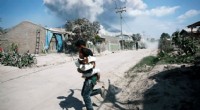
* Volcanism: Volcanic eruptions create cones, calderas, and lava flows, significantly changing the landscape.
Examples of topographic features formed by these processes:
* Mountains: Formed by tectonic uplift (plate collisions)
* Canyons: Formed by erosion from rivers and wind
* Volcanoes: Formed by volcanic eruptions
* Plains: Formed by deposition of sediment
* Glaciers: Form by the accumulation of snow and ice, carving out valleys and leaving behind moraines and other glacial features.
Ultimately, the Earth's surface is constantly changing, and the topography we see today is a product of the ongoing interplay of these forces.