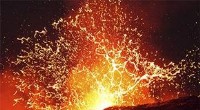
* Rocks are formed by various processes: Rocks are formed through geological processes like volcanic eruptions, sedimentation, and the transformation of existing rocks. These processes rarely create perfectly spherical shapes.
* Erosion and weathering: Over time, rocks are exposed to wind, water, and ice, which wear them down and change their shapes.
* Natural spheres do exist: However, there are some naturally occurring spherical formations in the Earth's crust:
* Concretions: These are spherical masses of minerals that form within sedimentary rocks.
* Nodules: Similar to concretions, but often have a more irregular shape.
* Boulders: Large, rounded rocks can be formed by erosion and weathering.
So, while there isn't a single "rock that sphere" type, there are examples of rocks with spherical shapes due to natural processes.