Here's a breakdown:
* Divergent Boundaries: These are areas where tectonic plates move apart.
* Continental Plates: These are the thick, less dense plates that make up the continents.
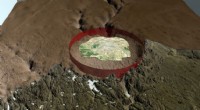
* Rift Valley Formation: When continental plates pull apart, the crust stretches and thins. This thinning causes the land to sink, forming a valley.
Additional Features Associated with Rift Valleys:
* Volcanic Activity: As the plates separate, magma rises from the mantle, often leading to volcanic eruptions within the rift valley.
* Earthquakes: Frequent earthquakes occur as the plates move apart and the crust readjusts.
* Fault Lines: The boundary between the diverging plates is marked by prominent fault lines.
* Graben: A series of parallel fault lines can create a graben, a downthrown block of crust that forms the central part of a rift valley.
Examples of Rift Valleys:
* East African Rift Valley: A major rift valley system stretching for thousands of kilometers across eastern Africa.
* Rio Grande Rift: A rift valley extending from Colorado to Texas in the United States.
* Baikal Rift Valley: Located in Siberia, Russia, it is the deepest freshwater lake in the world.
Remember that the formation of a rift valley is a long and slow process, taking millions of years.