Here's a breakdown:
* Mantle: This is the layer of hot, solid rock beneath the Earth's crust. The mantle is so hot that it's actually partially molten, meaning it's like a thick, gooey substance. This molten rock is called magma.
* Crust: While the crust is mostly solid, it can melt in certain places due to:
* Plate tectonics: Where tectonic plates collide, one plate can be forced under the other (subduction). This creates a lot of heat, causing the rock to melt.
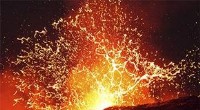
* Volcanoes: Volcanoes are formed when magma from the mantle rises to the surface. This magma can also melt surrounding crustal rocks.
* Meteorite impacts: The immense heat from a meteorite impact can melt surrounding rocks.
It's important to note: Melting rocks is a complex process that depends on factors like pressure, temperature, and the type of rock. Different types of rocks melt at different temperatures.