Composition:
* Two Types: The crust is divided into oceanic crust and continental crust.
* Oceanic Crust: Primarily composed of basalt and gabbro, denser than continental crust, thinner, and younger.
* Continental Crust: Primarily composed of granite and other felsic rocks, less dense than oceanic crust, thicker, and older.
Structure:
* Layered: Both oceanic and continental crust have layered structures.
* Oceanic Crust Layers:
* Upper Layer: Basaltic layer
* Lower Layer: Gabbroic layer
* Continental Crust Layers:
* Upper Layer: Granitic layer
* Lower Layer: Granitic and metamorphic rocks
* Moho Discontinuity: The boundary between the crust and the mantle is called the Moho discontinuity, identified by a change in seismic wave velocity.
Dynamic Nature:
* Plate Tectonics: The Earth's crust is broken into large pieces called tectonic plates that move over the mantle. This movement is responsible for earthquakes, volcanoes, mountain formation, and ocean basin development.
* Continual Creation and Destruction: Oceanic crust is constantly being created at mid-ocean ridges and destroyed at subduction zones. Continental crust is recycled through mountain building and erosion.
Special Features:
* Mountain Ranges: Formed by the collision of tectonic plates, these towering features showcase the immense power of the Earth's dynamic processes.
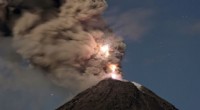
* Volcanoes: Occur at plate boundaries or hotspots, where magma from the mantle rises to the surface, creating spectacular volcanic landscapes.
* Ocean Trenches: Deepest parts of the ocean, formed where oceanic plates subduct beneath continental or other oceanic plates.
* Mid-Ocean Ridges: Underwater mountain ranges formed by the spreading of tectonic plates, where new oceanic crust is generated.
Further Exploration:
* Seismic Activity: By studying earthquake waves, scientists can learn about the composition and structure of the Earth's crust.
* Mineral Resources: The Earth's crust contains vast mineral resources, including ores, gemstones, and fossil fuels.
* Human Impact: Human activities, such as mining and agriculture, can impact the Earth's crust, leading to land degradation and environmental pollution.
Understanding the special features of the Earth's crust is crucial for comprehending the planet's geological history, natural hazards, and the interconnectedness of Earth's systems.