* Earth's Structure: The theory recognizes that Earth's outer layer (the lithosphere) is broken into large, moving plates. These plates are made up of the crust and the uppermost part of the mantle.
* Plate Movement: Plates move relative to one another at very slow rates (centimeters per year), driven by convection currents in the mantle.
* Plate Boundaries: Where plates meet, there are three main types of boundaries:
* Divergent boundaries: Plates move apart, creating new crust. This is where mid-ocean ridges and rift valleys form.
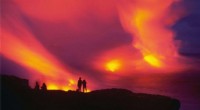
* Convergent boundaries: Plates collide. This can result in mountains, volcanoes, and trenches.
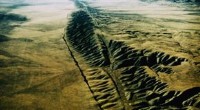
* Transform boundaries: Plates slide past each other horizontally. This often causes earthquakes.
* Convection Currents: Heat from Earth's core creates convection currents in the mantle, which drives the movement of the plates. Hotter, less dense material rises, while cooler, denser material sinks.
* Continental Drift: The concept of continents moving across Earth's surface over time is a key component of plate tectonics. The theory explains how continents have drifted apart and collided over millions of years.
* Seafloor Spreading: The process of creating new oceanic crust at mid-ocean ridges is an essential part of the theory.
* Geological Activity: Plate tectonics explains the distribution of earthquakes, volcanoes, mountain ranges, and many other geological features.
Let me know if you'd like a more in-depth explanation of any of these concepts!