* Transform faults are characterized by horizontal movement, where two plates slide past each other.
* This sideways motion doesn't create the uplift and compression necessary for mountain formation.
* Instead, transform faults are associated with features like:
* Fault scarps: Steep cliffs formed by the displacement.
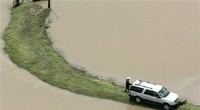
* Offset landforms: Rivers, roads, or other features that are shifted by the fault's movement.
Examples of transform faults:
* San Andreas Fault (California): This famous fault is responsible for earthquakes, but not mountain building.
* Alpine Fault (New Zealand): This fault separates the Pacific Plate and the Australian Plate, creating a distinct landscape but not mountainous terrain.
In contrast, the other major fault types contribute to mountain formation:
* Normal faults: These faults involve blocks of rock moving downward relative to each other, creating valleys. While not directly forming mountains, they can create the space for mountains to rise along other faults.
* Reverse faults: These faults involve blocks of rock moving upwards relative to each other, compressing the land and forming mountains.
* Thrust faults: These are a special type of reverse fault where one rock layer is pushed over another, creating folds and often leading to mountain formation.
So, while transform faults are important geological features, they are not responsible for creating the towering peaks we associate with mountain ranges.