Here's why:
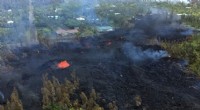
* Volcanic mountains: These are formed by the accumulation of lava, ash, and other volcanic materials erupted from a vent in the Earth's crust. The process involves relatively little deformation of the surrounding rock, as the magma simply pushes its way through the existing rock layers.
Here are some other mountain types and their relationship to deformation:
* Fold mountains: These are formed by the compression and folding of rock layers, resulting in significant deformation. The Himalayas and the Alps are examples.
* Fault-block mountains: These are formed when blocks of rock are uplifted along faults, leading to significant deformation of the rock layers. The Sierra Nevada in California is an example.
* Uplift mountains: These are formed by the upward movement of large blocks of rock due to tectonic forces. The Rocky Mountains are an example.
In summary: While all mountains involve some degree of geological activity and deformation, volcanic mountains are characterized by relatively little deformation, as they are primarily built up by the accumulation of volcanic materials.