Gradual Processes:
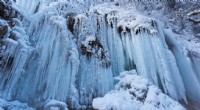
* Erosion: The slow wearing away of rock by wind, water, and ice.
* Weathering: The breakdown of rock into smaller pieces.
* Sedimentation: The deposition of sediment carried by wind, water, or ice.
* Plate tectonics: The slow movement of Earth's tectonic plates, leading to mountain building, earthquakes, and volcanic activity.
Rapid Processes:
* Volcanic eruptions: Can release massive amounts of lava, ash, and gas in a short period of time.
* Earthquakes: Sudden shifts in the Earth's crust, causing ground shaking and tsunamis.
* Landslides: Rapid movements of soil and rock downslope, often triggered by heavy rain or earthquakes.
* Floods: Sudden rises in water levels, often caused by heavy rainfall or dam failure.
* Meteorite impacts: Can create large craters and cause widespread devastation.
Uniformitarianism vs. Catastrophism:
* Uniformitarianism: The idea that geological processes operate at the same rate today as they have in the past. This emphasizes gradual processes.
* Catastrophism: The idea that geological features were formed by sudden, catastrophic events. This emphasizes rapid processes.
Conclusion:
While many geologic processes occur gradually over long periods, rapid events also play a significant role in shaping the Earth's surface. Both gradual and rapid processes are important to consider when understanding Earth's history and evolution.