Environmental Impacts:
* Habitat Loss and Fragmentation: Mining operations often involve clearing large areas of land, destroying natural habitats and fragmenting ecosystems. This disrupts wildlife populations and can lead to species extinction.
* Water Pollution: Mining can contaminate water sources through runoff, seepage, and the release of toxic chemicals. This can harm aquatic life, contaminate drinking water, and damage ecosystems.
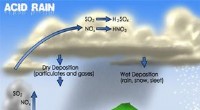
* Air Pollution: Mining activities can release dust, gases, and other pollutants into the air, contributing to respiratory problems, acid rain, and climate change.
* Soil Degradation: Mining can remove topsoil, leading to erosion, reduced fertility, and the loss of valuable nutrients.
* Deforestation: Mining often involves the clearing of forests, leading to habitat loss, biodiversity decline, and increased greenhouse gas emissions.
* Landslide and Subsidence: Mining can destabilize slopes, leading to landslides and subsidence, which can damage infrastructure and endanger human lives.
* Noise and Light Pollution: Mining activities can generate significant noise and light pollution, disrupting wildlife and impacting local communities.
* Climate Change: Mining operations contribute to climate change through the release of greenhouse gases and the use of fossil fuels.
* Resource Depletion: Mining depletes natural resources, which are finite and cannot be replenished at the same rate they are consumed.
Social Impacts:
* Displacement of Communities: Mining operations often displace communities, leading to social disruption, loss of livelihoods, and cultural heritage.
* Health Impacts: Mining can lead to various health problems, including respiratory diseases, cancer, and skin diseases, due to exposure to dust, chemicals, and noise.
* Conflicts and Tensions: Mining can create tensions between mining companies, local communities, and governments over land rights, environmental protection, and economic benefits.
* Economic Impacts: Mining can provide jobs and economic benefits, but these often come with social and environmental costs.
Mitigating Negative Impacts:
* Sustainable Mining Practices: Implementing sustainable mining practices, such as minimizing waste, using recycled materials, and reducing emissions, can help mitigate some of the negative impacts.
* Rehabilitation and Reclamation: Restoring mined land to its original state or to a productive use can minimize environmental damage.
* Community Engagement: Engaging with local communities and addressing their concerns can reduce conflicts and promote sustainable development.
* Environmental Regulations: Implementing strict environmental regulations and monitoring can help control pollution and protect ecosystems.
Conclusion:
Mining is essential for many modern industries, but it comes with significant environmental and social costs. Addressing these challenges through sustainable mining practices, environmental regulations, and community engagement is crucial for minimizing the negative impacts of mining and achieving a more sustainable future.