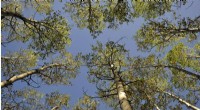
1. Ancient Climate: Antarctica wasn't always a frozen wasteland. Millions of years ago, during the Mesozoic Era (252-66 million years ago), Antarctica was part of the supercontinent Gondwana, located in a much warmer, more temperate region. This allowed for lush forests to flourish, similar to what we see today in temperate regions like North America.
2. Plant Growth: These ancient forests were home to vast amounts of plant life, including trees like ferns, cycads, and conifers. These plants grew, died, and decayed, forming layers of organic matter called peat.
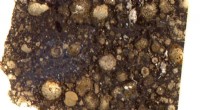
3. Geological Processes: Over time, these peat layers were buried under sediment and compressed by the weight of overlying rocks. This process, along with heat and pressure, transformed the organic matter into coal.
4. Continental Drift: Antarctica eventually drifted away from Gondwana, moving towards the South Pole. As the continent drifted, the climate gradually cooled, eventually leading to the formation of the vast ice sheets we see today.
5. Coal Preservation: Despite the extreme cold, the coal deposits formed millions of years ago are preserved deep beneath the ice and sediment layers. These deposits serve as a reminder of Antarctica's very different past.
In short, coal bed formation in Antarctica was possible because of:
* Ancient warm climate: This allowed for extensive plant growth, the raw material for coal formation.
* Geological processes: Burial, compression, heat, and pressure transformed the organic matter into coal.
* Continental drift: This shifted Antarctica to its current location and froze the continent, preserving the coal deposits.
Today, coal beds in Antarctica are a valuable source of information about the continent's past climate and geological history. They also offer insights into the ancient flora and fauna that once thrived in this now-icy land.