1. Weathering and Erosion:
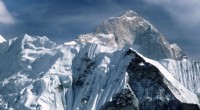
* Weathering: This is the process of breaking down existing rocks into smaller pieces called sediments. It can happen due to:
* Physical Weathering: Forces like wind, rain, ice, and temperature changes break down rocks into smaller pieces.
* Chemical Weathering: Reactions with water, acids, or oxygen dissolve and alter rock minerals.
* Erosion: This is the movement of weathered sediments by wind, water, or ice.
2. Transportation and Deposition:
* The eroded sediments are carried away by agents like rivers, glaciers, or wind.
* Eventually, the transporting force loses energy, and the sediments are deposited in a new location. This location could be:
* River deltas: Sediments carried by rivers settle at the river's mouth.
* Ocean floors: Waves and currents deposit sediments on the seafloor.
* Sand dunes: Wind carries and deposits sand in deserts.
3. Compaction and Cementation:
* Compaction: As more sediments are deposited on top, the weight compresses the lower layers, squeezing out water and air.
* Cementation: Dissolved minerals in the water between the sediment grains precipitate out and crystallize, binding the grains together. Common cementing minerals are calcite, quartz, and iron oxides.
4. Lithification:
* The combined processes of compaction and cementation transform loose sediments into solid rock. This process is known as lithification.
Types of Sedimentary Rocks:
The type of sedimentary rock formed depends on the type of sediment and the conditions under which it was deposited:
* Clastic rocks: Formed from fragments of other rocks (e.g., sandstone, shale, conglomerate).
* Chemical rocks: Formed from the precipitation of minerals from water (e.g., limestone, rock salt).
* Organic rocks: Formed from the accumulation of organic matter (e.g., coal).
Key Points:
* Sedimentary rocks provide important clues about Earth's history, including past environments and climate.
* They often contain fossils, which are the preserved remains of ancient life.
* Many valuable resources, like oil, natural gas, and coal, are found in sedimentary rocks.