1. Relative Dating:
* Principle of Superposition: In an undisturbed sequence of sedimentary rocks, the oldest layers are at the bottom and the youngest layers are at the top.
* Principle of Original Horizontality: Sedimentary layers are originally deposited horizontally. Tilted or folded layers indicate later deformation.
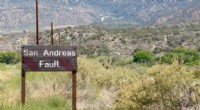
* Principle of Cross-Cutting Relationships: A geologic feature (fault, intrusion) that cuts across other features is younger than those features.
* Principle of Inclusions: Fragments of one rock type found within another rock type are older than the rock containing them.
* Fossil Succession: Fossils succeed one another in a specific, recognizable order. Index fossils, which are widespread and lived for a short period, can help correlate rock layers.
2. Absolute Dating (Radiometric Dating):
* Radioactive Decay: Certain radioactive isotopes within rocks decay at a constant rate. By measuring the ratio of parent isotope to daughter isotope, we can determine the time since the rock crystallized or the last time it was heated.
* Common Methods:
* Carbon-14 dating: Useful for dating organic materials up to 50,000 years old.
* Potassium-Argon dating: Used for dating volcanic rocks up to billions of years old.
* Uranium-Lead dating: Used for dating very old rocks, including those from the early Earth.
Combining Relative and Absolute Dating:
* Often, relative dating techniques are used to narrow down the possible age range of a rock layer. Then, absolute dating techniques are used to get a more precise age estimate.
Challenges:
* Metamorphism: Heat and pressure during metamorphism can reset the "clock" of radioactive decay, making absolute dating challenging.
* Incomplete Records: Erosion, faulting, and other geologic processes can destroy or disrupt rock layers, making it difficult to reconstruct the complete geologic history.
It's important to note that:
* Age determination in geology is a complex and ongoing process.
* Scientists constantly refine dating techniques and interpret new data to improve our understanding of Earth's history.