* Intrusive Igneous Rocks: These form when magma (molten rock) cools and solidifies *beneath* the Earth's surface. This process is slow, allowing for larger crystals to form. Examples include granite, gabbro, and diorite.
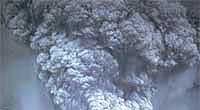
* Extrusive Igneous Rocks: These form when lava (magma that has erupted onto the surface) cools and solidifies. This process is much faster, resulting in smaller crystals or even a glassy texture. Examples include basalt, rhyolite, and obsidian.
So, while igneous rocks can form below Earth's surface (intrusive), they can also form on the surface (extrusive).