1. Rift Valleys:
* Process: When tectonic plates move apart (divergent plate boundaries), the Earth's crust thins and stretches, forming depressions called rift valleys.
* Example: The East African Rift Valley, home to numerous lakes like Lake Tanganyika and Lake Malawi, is a classic example.
2. Faulting:
* Process: Faulting occurs when tectonic plates move past each other (transform plate boundaries) or collide (convergent plate boundaries). The resulting fractures can create depressions that fill with water.
* Example: Lake Baikal in Siberia, the deepest lake in the world, was formed by faulting along the Baikal Rift.
3. Volcanic Activity:
* Process: Volcanic eruptions can create craters that fill with water, forming crater lakes. Alternatively, lava flows can dam rivers, forming lakes behind the obstruction.
* Example: Crater Lake in Oregon, USA, formed in the caldera of a collapsed volcano.
4. Mountain Uplift:
* Process: When tectonic plates collide, mountains can rise, blocking rivers and creating lakes.
* Example: The Himalayas, formed by the collision of the Indian and Eurasian plates, are home to many high-altitude lakes like Lake Manasarovar.
5. Subsidence:
* Process: When the Earth's crust sinks due to tectonic activity, depressions can form that collect water, creating lakes.
* Example: The Great Lakes of North America were formed by glacial activity, which in turn was influenced by tectonic plate movements.
6. Glacial Erosion:
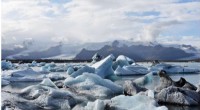
* Process: Glaciers are powerful agents of erosion. As they move across the land, they carve out depressions that can fill with water after the ice melts.
* Example: The numerous lakes in Scandinavia and North America were formed by glacial erosion.
Summary:
Tectonic plate movements are responsible for a variety of geological features, including lakes. Rift valleys, faulting, volcanic activity, mountain uplift, subsidence, and glacial erosion are all processes driven by tectonic forces that contribute to lake formation.