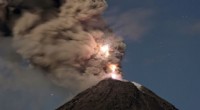
* The Lithosphere: This is the rigid outermost layer of the Earth, composed of the crust and the uppermost part of the mantle. It's broken into tectonic plates that constantly move and interact, causing earthquakes, volcanoes, and mountain formation.
* The Mantle: This is the thickest layer of the Earth, located between the crust and the core. It's mostly solid rock, but it behaves like a very viscous fluid over long periods, allowing the tectonic plates to move.
* The Inner Core: This is the Earth's solid center, composed mostly of iron and nickel. Despite being incredibly hot, it's solid due to immense pressure.
* The Outer Core: This layer surrounds the inner core and is composed of liquid iron and nickel. It's the source of Earth's magnetic field.
It's important to remember that even the "solid" parts of the Earth can be incredibly dynamic and constantly changing over geological time.
If you have a specific context or question about "Earth solids," please provide more details so I can give you a more precise answer.