1. Continental Collisions (Continental-Continental Convergence):
* When two continental plates collide, they buckle and fold, pushing up the land to create mountains.
* Example: The Himalayas were formed when the Indian subcontinent collided with the Eurasian Plate.
2. Volcanic Activity:
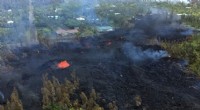
* While subduction zones are often associated with volcanism, volcanoes can also arise from hot spots, where plumes of magma rise from the Earth's mantle. These can create volcanic mountains even in the absence of plate convergence.
* Example: The Hawaiian Islands were formed by a hotspot, where magma from the mantle erupted through the oceanic crust.
3. Faulting and Uplift:
* Faulting occurs when rocks break and move along a fracture. Uplift occurs when large blocks of the Earth's crust are pushed upwards.
* Example: The Sierra Nevada Mountains in California were formed by faulting and uplift along the San Andreas Fault.
4. Erosion and Sedimentation:
* While not a direct mountain-building process, erosion can play a significant role in shaping existing mountain ranges. Sedimentation, the accumulation of eroded material, can also contribute to the formation of plateaus or mesas.
* Example: The Appalachian Mountains were originally much higher than they are today, but erosion has worn them down over millions of years.
5. Tectonic Extension:
* This process involves the stretching and thinning of the Earth's crust, which can lead to the formation of mountains through the creation of fault blocks.
* Example: The Basin and Range Province in the western United States is characterized by mountains formed by tectonic extension.
It's important to remember that multiple processes can contribute to the formation of a single mountain range. Therefore, understanding the specific geological history of a mountain range is crucial to determine the dominant processes involved.