1. Plate Tectonics:
* Convergent Boundaries: When tectonic plates collide, one plate often subducts (slides) beneath the other. This can lead to:
* Mountain Ranges: Like the Himalayas, formed when continental plates collide.
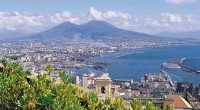
* Volcanoes: Magma from the subducting plate rises to the surface, forming volcanic arcs.
* Ocean Trenches: Deep depressions in the ocean floor formed where one plate subducts beneath another.
* Divergent Boundaries: Where plates move apart, creating new crust:
* Mid-Ocean Ridges: Underwater mountain ranges where magma rises and creates new oceanic crust.
* Rift Valleys: Continental plates pulling apart, creating valleys and volcanoes, like the East African Rift Valley.
2. Volcanism:
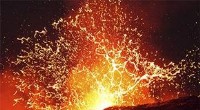
* Volcanic Eruptions: Eruptions from volcanoes can create new landforms:
* Lava Flows: Streams of molten rock that solidify and form plains or hills.
* Cinder Cones: Small, steep-sided cones built up from volcanic ash and cinders.
* Calderas: Large depressions formed by the collapse of a volcano's summit.
3. Erosion:
* Weathering: The breakdown of rocks by wind, water, ice, and biological activity.
* Erosion: The transport of weathered material by wind, water, or ice, shaping the landscape:
* Canyons: Deep, narrow valleys carved by rivers.
* Sand Dunes: Mounds of sand shaped by wind.
* Glacial Valleys: U-shaped valleys carved by glaciers.
4. Deposition:
* Sedimentation: The process of depositing weathered material, creating new landforms:
* Delta: A triangular landform at the mouth of a river, formed by sediment deposition.
* Alluvial Fans: Fan-shaped deposits of sediment at the base of mountains.
* Beaches: Deposits of sand and sediment along shorelines.
5. Other Processes:
* Impact Craters: Impacts from asteroids or meteorites can create large depressions.
* Earthquakes: Sudden shifts in the Earth's crust can uplift land or create fault scarps.
These processes work together in complex ways to continuously reshape the Earth's crust, creating the diverse landscapes we see today.