* The Earth's crust: The outermost layer, composed of rocks and minerals.
* The Earth's mantle: A thick layer beneath the crust, mostly composed of solid rock but containing a partially molten layer called the asthenosphere.
* The Earth's core: The innermost layer, composed mostly of iron and nickel, divided into a liquid outer core and a solid inner core.
Essentially, the geosphere is everything you can physically stand on or dig into.
It's important to note that the geosphere is not a static entity. It's constantly changing due to processes like:
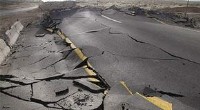
* Plate tectonics: The movement of the Earth's tectonic plates, which causes earthquakes, volcanoes, and mountain formation.
* Erosion: The wearing down of rocks and soil by wind, water, and ice.
* Weathering: The breaking down of rocks and minerals by physical and chemical processes.
The geosphere is closely interconnected with the other Earth systems (atmosphere, hydrosphere, and biosphere) and plays a vital role in shaping the planet's surface and influencing life.