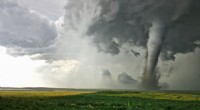
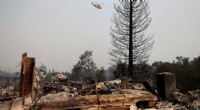
1. Disturbance: A disturbance disrupts the existing vegetation and exposes the soil. This could be a wildfire, flash flood, or even human activities like agriculture or construction.
2. Pioneer Species: Hardy, fast-growing plants like annual grasses and desert wildflowers quickly colonize the disturbed area. These species are adapted to harsh conditions and can tolerate the full force of the desert sun.
3. Soil Building: Pioneer species help to stabilize the soil, prevent erosion, and add organic matter. Their decomposition also provides nutrients for subsequent plant growth.
4. Intermediate Species: As the soil improves and conditions become less harsh, shrubs and small trees like mesquite, creosote bush, and cactus begin to emerge. They provide shade and further stabilize the soil, creating a more hospitable environment.
5. Climax Community: Over time, the desert ecosystem gradually returns to a state of equilibrium, with a climax community of long-lived, drought-tolerant trees, shrubs, and grasses. This community is adapted to the desert climate and can persist for a long time.
Key Factors Affecting Secondary Succession in Deserts:
* Water availability: Desert succession is heavily influenced by the infrequent and unpredictable rainfall patterns. Plants must be able to survive long periods of drought.
* Soil type: The type of soil, its fertility, and its ability to retain water are critical for plant growth.
* Temperature: Extreme temperatures can limit the types of plants that can survive.
* Animal interactions: Desert animals play a role in seed dispersal, pollination, and grazing, which can affect the rate and direction of succession.
Examples of Secondary Succession in Deserts:
* After a wildfire: Fire clears the vegetation, leaving behind bare soil. Annual grasses and wildflowers quickly colonize the area, followed by shrubs and trees as the soil recovers.
* After a flood: Flash floods can scour the desert landscape, removing vegetation and depositing new sediment. The exposed soil is then colonized by pioneer species, leading to the development of a new ecosystem.
* Abandoned agricultural land: When farmland is abandoned, it can undergo secondary succession. Native desert plants gradually replace the cultivated crops, eventually leading to a climax community.
Note: Secondary succession in deserts is a slow process. It can take decades or even centuries for a disturbed ecosystem to return to a stable state.