Formation of Fossils:
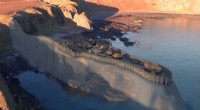
* Sedimentary Rocks: Fossils are most commonly found in sedimentary rocks. These rocks are formed through the accumulation and cementation of sediments, which can include the remains of organisms.
* Burial: As sediments pile up, they bury organisms, protecting them from decomposition and scavengers. This burial process is essential for fossilization.
* Permineralization: In some cases, minerals from groundwater seep into the buried remains, replacing the original material with rock-like substances. This process can preserve even delicate structures like bones, teeth, and shells.
Preservation of Fossils:
* Sedimentary Layers: The layers of sediment that form sedimentary rocks act like protective layers, keeping fossils from being eroded or weathered away.
* Erosion: Erosion can expose fossils that were once buried deep within the rock. This process allows us to study them.
Destruction of Fossils:
* Metamorphic Rock Formation: When sedimentary rocks containing fossils are subjected to intense heat and pressure, they transform into metamorphic rocks. This process often destroys the fossil evidence.
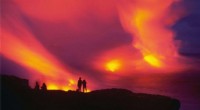
* Igneous Rock Formation: When magma or lava cools and solidifies, it creates igneous rocks. Since these rocks form at extremely high temperatures, any fossils present would be destroyed.
The Rock Cycle and Fossil Discovery:
* Geological Uplift: The rock cycle can lift sedimentary rocks containing fossils to the Earth's surface. This makes them accessible to paleontologists.
* Erosion: Erosion can expose fossils, making them visible for discovery.
In summary:
The rock cycle is intimately linked to fossils. It's responsible for creating the environments where fossils form, preserving them within sedimentary layers, and sometimes destroying them through the creation of metamorphic or igneous rocks. The understanding of the rock cycle is crucial for paleontologists to find, study, and interpret fossils, providing valuable insights into Earth's history and the evolution of life.