Natural Environments:
* Steep slopes: Gravity plays a major role in erosion. The steeper the slope, the more likely soil is to slide or wash away.
* Riverbanks and coastlines: The force of flowing water, waves, and tides can erode soil along rivers and coastlines.
* Dry, arid areas: Wind can pick up and carry away loose soil in dry areas. This is known as wind erosion.
* Forests: While forests provide some protection, erosion can still happen, especially after wildfires or during heavy rains.
Human-Influenced Areas:
* Farmland: Agricultural practices like tilling and leaving fields bare can leave soil vulnerable to erosion.
* Construction sites: Clearing land for construction can expose soil to erosion, especially if proper measures aren't taken.
* Urban areas: Paved surfaces and compacted soil in cities reduce water infiltration, leading to increased runoff and erosion.
* Mining sites: Mining operations can expose large areas of soil to erosion.
Specific Examples:
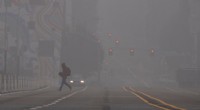
* The Dust Bowl: A severe dust storm in the 1930s that impacted the American Midwest was caused by wind erosion of farmland that had been poorly managed.
* The Grand Canyon: The Colorado River has been eroding the canyon for millions of years.
* Coastal areas: Rising sea levels and increased storm activity are causing significant erosion along many coastlines.
It's important to remember that soil erosion is a natural process, but human activities can greatly accelerate it. Understanding where erosion occurs and taking steps to prevent it is crucial for protecting our environment and resources.