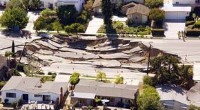
1. Initial Formation:
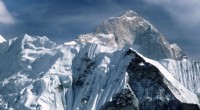
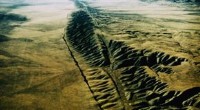
* Tectonic Activity: Earthquakes, volcanic activity, and mountain-building processes can create initial cracks, faults, and uplift that weaken the land.
* Pre-existing Weakness: Areas with softer rock, pre-existing fractures, or folded rock layers are more susceptible to erosion.
2. Erosion at Work:
* Water Erosion: Rivers and streams are powerful agents of erosion. Flowing water cuts into the landscape, carrying away sediment. The steeper the slope, the faster the water flows, leading to more erosion.
* Glacial Erosion: Glaciers, massive sheets of ice, carve out deep valleys (U-shaped valleys) through abrasion and plucking of rocks.
* Wind Erosion: In arid regions, wind can carry sand and dust, eroding and sculpting landscapes. This can create canyons and other features, especially in areas with weak rocks.
3. The Canyon Formation Process:
* Downcutting: As rivers erode downward, they create deeper channels. This process, called downcutting, is driven by gravity and the force of water.
* Headward Erosion: Rivers also erode upstream, extending the valley further back into the landscape.
* Lateral Erosion: Rivers erode sideways, widening the valley and creating the characteristic steep sides of canyons.
4. The Role of Geology:
* Rock Type: Hard, resistant rock like granite forms steep, vertical canyons. Softer rock like sandstone creates wider, gentler canyons.
* Joint Systems: Cracks and fractures in rocks (joint systems) provide pathways for water and erosion.
5. Time:
Erosion is a slow process, but over millions of years, even the hardest rock can be carved into deep canyons.
Examples:
* The Grand Canyon: Formed primarily by the Colorado River's downcutting and lateral erosion through layers of sedimentary rock.
* The Grand Teton National Park: Glaciers carved out the deep U-shaped valleys that dominate the landscape.
* The Valley of the Moon, California: Erosion by wind and water has sculpted a unique landscape of canyons and rock formations.
Key Points:
* Erosion is a complex process involving various forces, including water, wind, ice, and tectonic activity.
* The formation of deep valleys and canyons requires both initial weakness in the landscape and sustained erosion over long periods.
* The type of rock, geological structures, and climate all influence the shape and form of canyons.